Road signs, PV labels, mining signage and reflective material standards — a practical guide to Australian reflective signage materials, classes and application selection.
This guide covers reflective materials used across Australia for:
Reflective signage materials are used well beyond standard road signs and are increasingly specified for photovoltaic (PV) system labels, battery storage warnings, electrical compliance labels, emergency wayfinding, hazardous goods signage, reflective fleet markings, mine-spec vehicle graphics and industrial plant safety signage.
Governing standards
Most Australian reflective signage products are governed by combinations of AS/NZS 1906.1, AS 1742, AS/NZS 3000, AS/NZS 5033, state road authority specifications and workplace safety regulations.
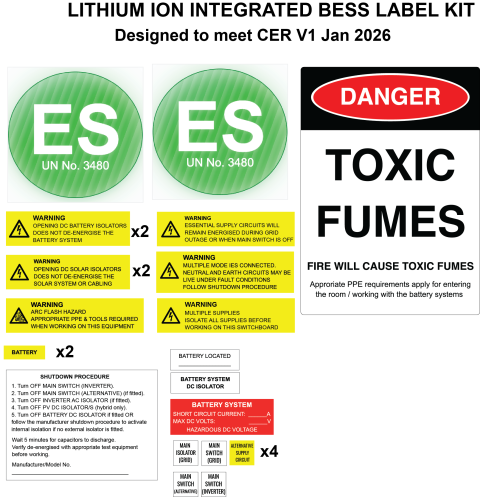
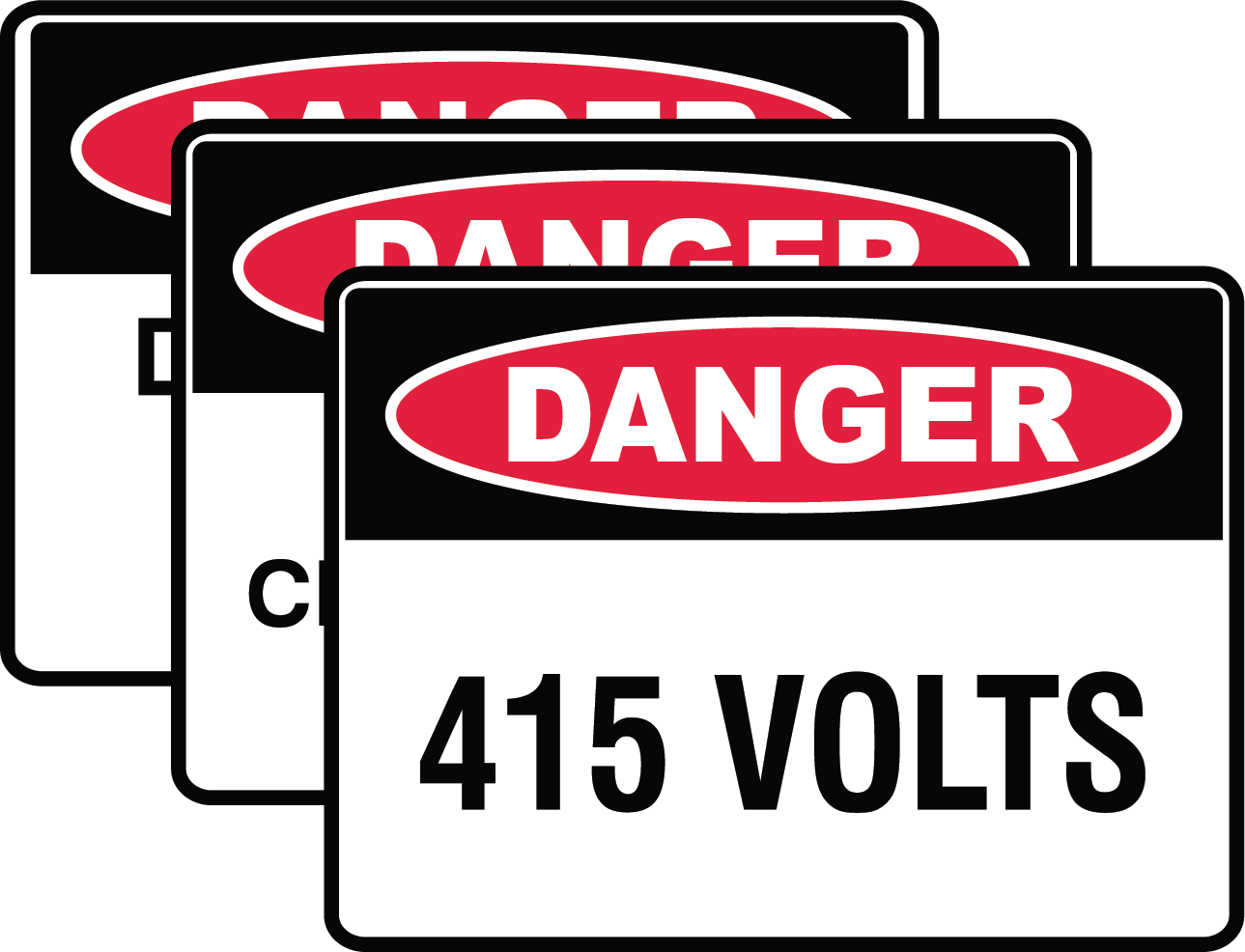
Reflective and high-durability labels are commonly used for solar isolator identification, rooftop PV shutdown labels, battery storage warnings, emergency shutdown procedures, inverter labels and DC cable identification.
Common requirements
| Application | Common material |
|---|---|
| General PV labels | Engineering-grade reflective or premium polymeric vinyl |
| Mine-spec solar labels | HIP reflective |
| Emergency shutdown labels | Reflective Class 1 or HIP |
| Remote area systems | DG3 or HIP reflective |
Mining operations commonly use HIP reflective, DG3 reflective, high-durability overlays and anti-graffiti laminates. Typical applications include haul road signs, heavy vehicle markings, hazard signage, speed signage, emergency assembly signs and reflective vehicle striping.
Because of dust, UV and heavy abrasion, mining applications typically specify higher-performance materials than standard local government signage.
Reflective materials are widely used for forklift routes, pedestrian crossings, warehouse speed signs, emergency exits, dangerous goods signage and loading dock markings. Common materials include engineer grade reflective, HIP reflective, reflective tapes and floor safety systems.
Reflective printable wrap films such as 3M IJ680CR, Avery reflective wrap films and Orafol Oralite fleet films are commonly used for emergency vehicles, fleet branding, mining vehicles, traffic control vehicles, reflective chevrons and safety striping.
These differ from rigid road-sign reflective materials because they are designed to conform to curves, rivets and vehicle contours while maintaining nighttime reflectivity.
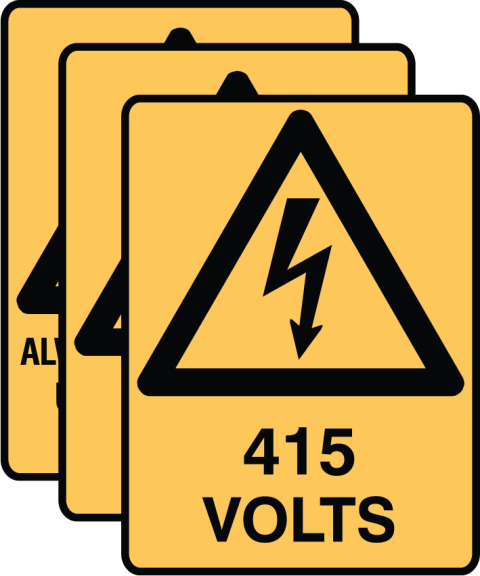
Reflective materials are also used for electrical switchboard labels, machinery safety labels, confined space signage, hazardous chemical warnings, transport compliance decals and emergency shutdown systems. Long-life outdoor compliance labels often use UV-stable polymeric vinyl, HIP reflective or laminated reflective systems.
| Australian class | Common name | Typical 3M equivalent | Typical use | Typical service life |
|---|---|---|---|---|
| Class 100 | Engineer Grade | 7300 Series | Temporary signs, low-speed roads | ~7 years |
| Class 400 | HIP / Class 1W | 3800 Series | Standard permanent traffic signs | ~10 years |
| Class 1100 | Diamond Grade / Class 1X | 4000 DG3 | Highways, freeways, gantries | ~12 years |
| Application | Recommended material |
|---|---|
| Temporary traffic signs | 7300 Engineer Grade |
| Standard permanent signs | 3800 HIP |
| Stop / Give Way signs | 3800 HIP |
| Motorways | 4000 DG3 |
| Mining roads | 4000 DG3 |
| PV warning labels | Premium reflective polymeric vinyl |
| Emergency shutdown labels | HIP reflective |
| Fleet reflective graphics | IJ680CR reflective wrap film |
| Warehouse safety signs | Engineer Grade or HIP |
Disclaimer
Specifications and compliance requirements vary between states, councils and project types. Always verify current standards and approved products with the relevant authority before manufacturing or supplying reflective signage products.